

CropLife: RhizoPhyll wins Emerger Award at Tech Hub LIVE 2026 CropLife Ag Tech Awards of Excellence
The Emerging Leader Award went to Dr. Ramesh Raliya, CEO of Rhizophyll Corporation, for his work advancing nanotechnology-enabled agriculture. Raliya’s innovations in nano urea and next-generation nutrient delivery systems have been deployed across more than 300 million acres in over 20 countries, improving nutrient use efficiency while reducing conventional fertilizer use. He holds more than 30 patents and has authored over 100 scientific publications focused on sustainable crop nutrition.
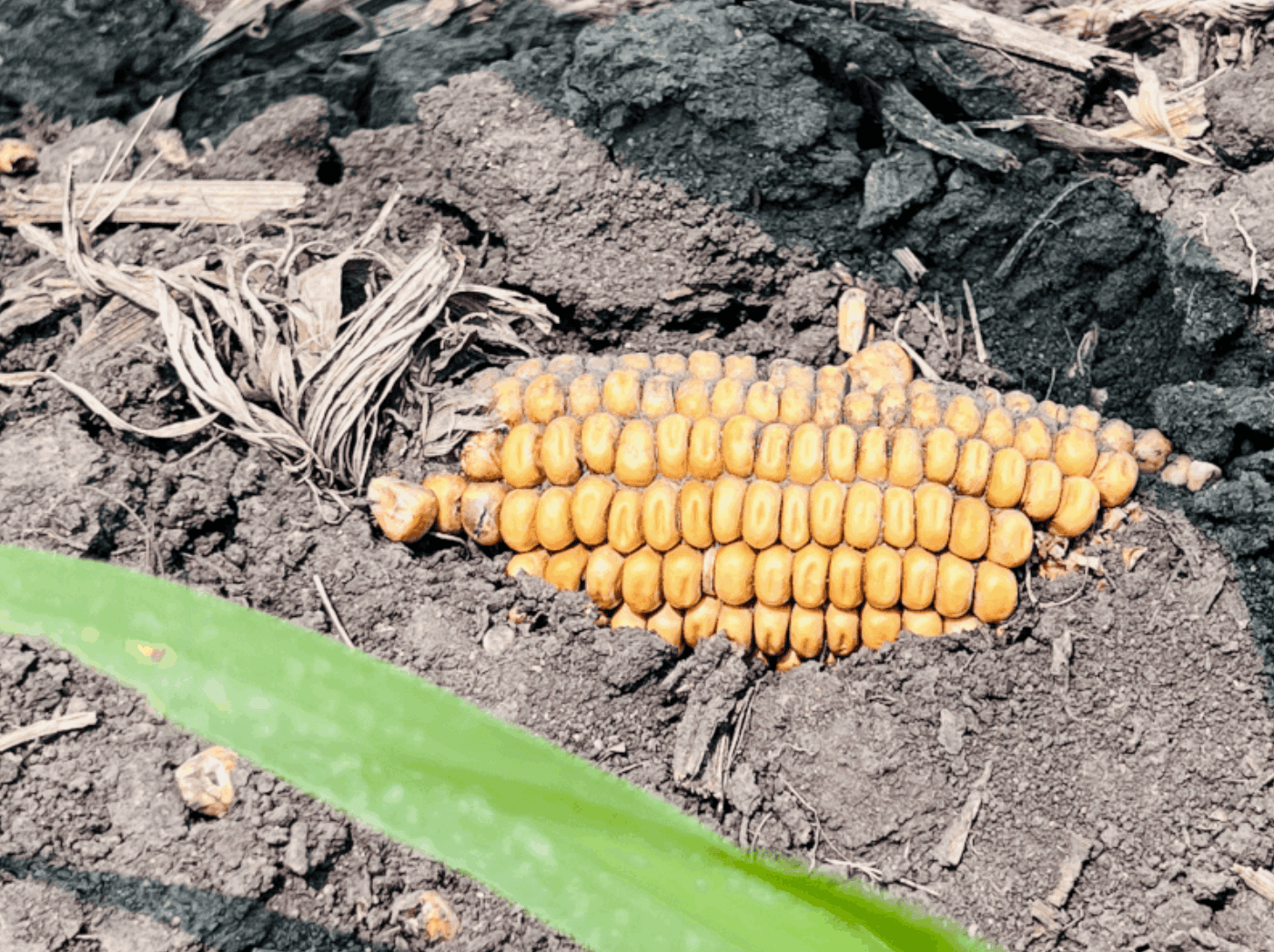
Nutrient Use Efficiency vs Nutrient Recovery Efficiency: Why the Difference Matters More Than Ever
In agriculture, we often talk about “efficiency,” but not all efficiency metrics tell the same story. Two terms that sound similar: Nutrient Use Efficiency (NUE) and Nutrient Recovery Efficiency (NRE) actually measure very different parts of the nutrient journey. Understanding this difference is key to designing better fertilizers, improving ROI for growers, and reducing environmental losses. NRE answers a simple question: How much of the applied nutrient did the plant actually absorb?
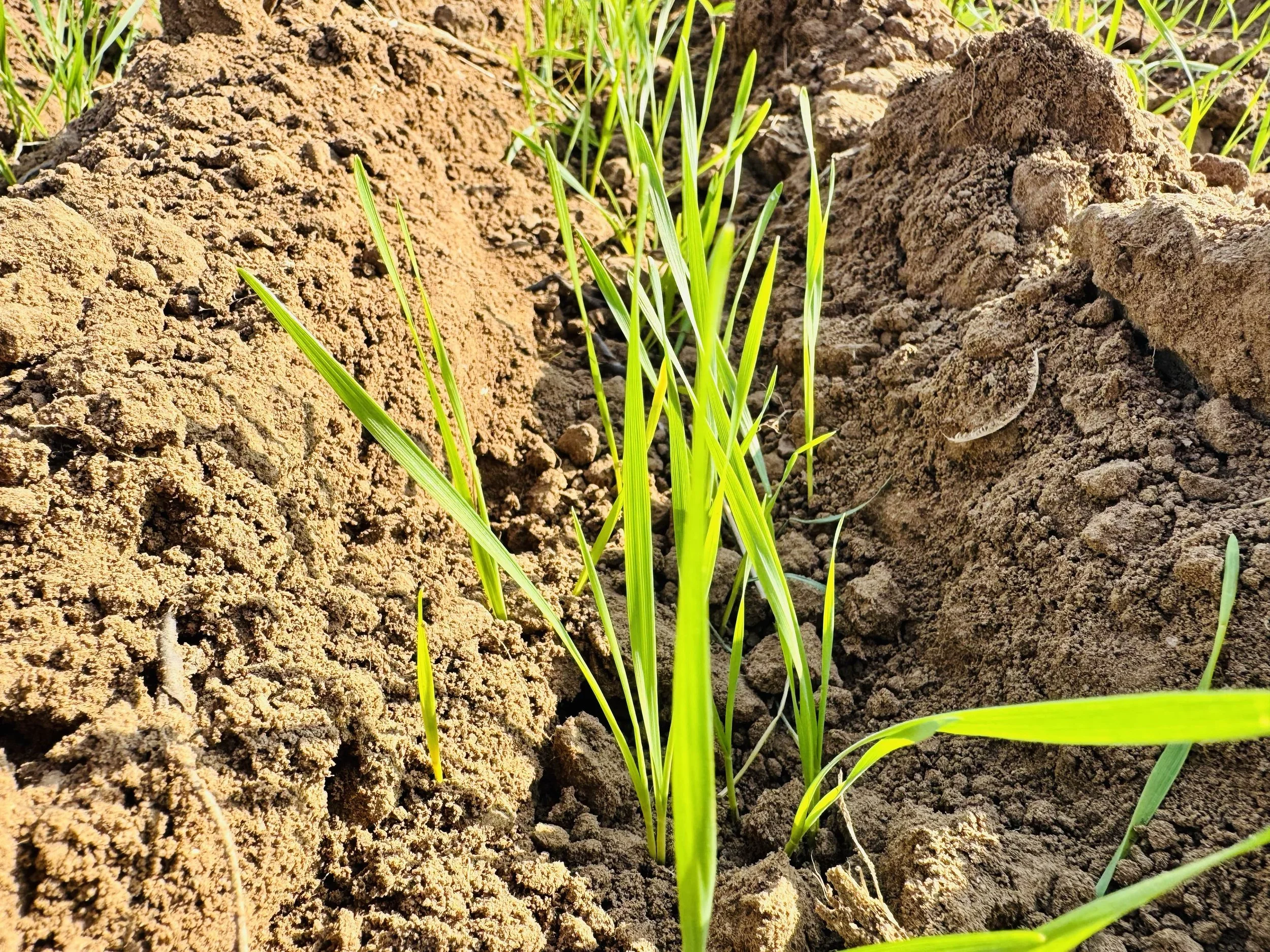
Managing soil pH isn’t a correction. It’s a strategy for Nutrient Use Efficiency.
Soil pH is one of the strongest determinants of how efficiently plants use nutrients, yet it’s often the least-managed variable in the field. When pH drifts too low or too high, nutrients become chemically unavailable, microbial processes slow down, and roots lose their ability to absorb what’s already in the soil.
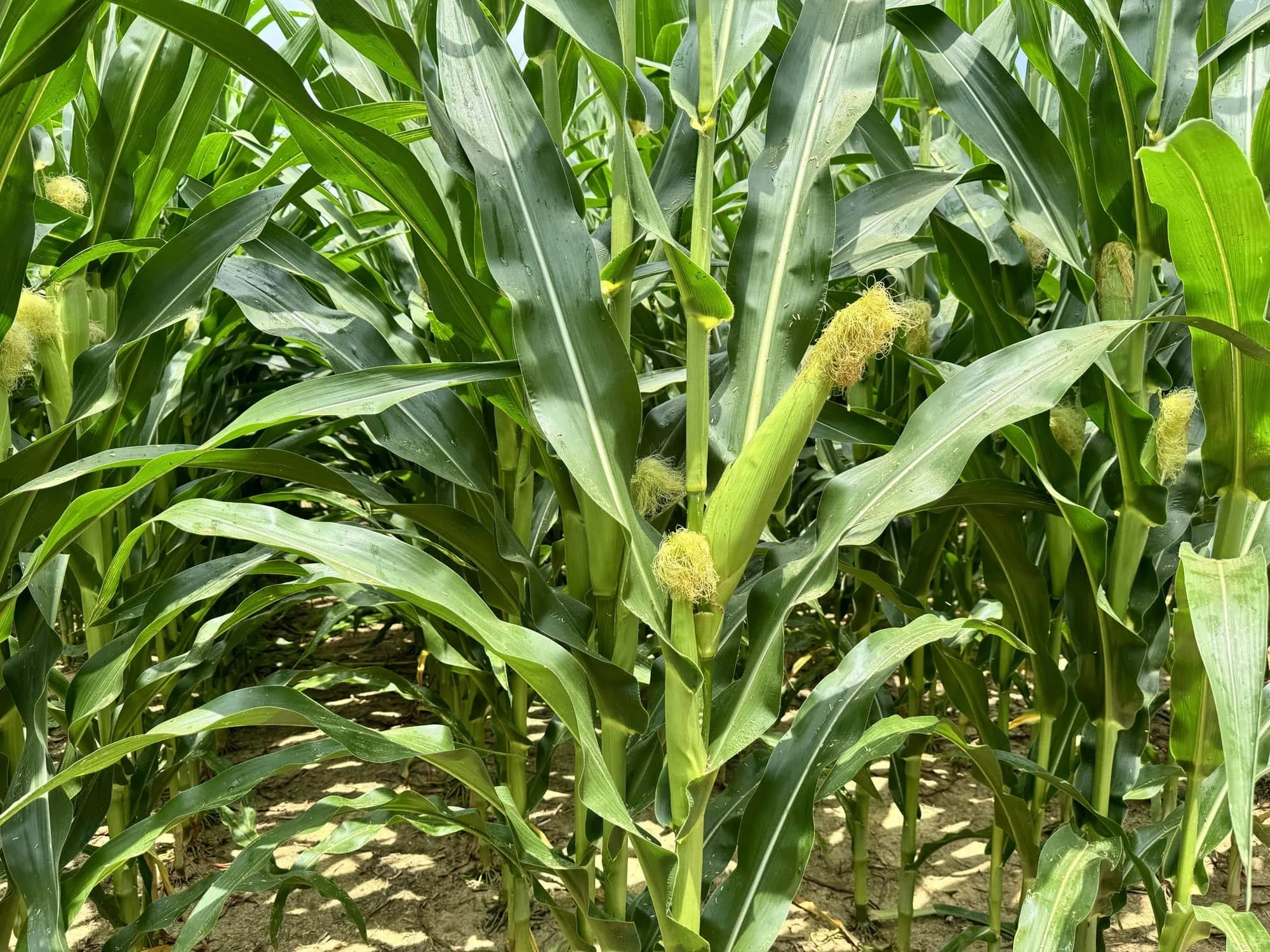
Better Seed Germination is the Hidden Engine of Nutrient Use Efficiency (NUE)
For decades, the conversation around Nutrient Use Efficiency has focused on fertilizers rates, timing, placement, formulations. But the more we understand crop physiology and nutrient dynamics, the clearer one truth becomes: NUE doesn’t start with fertilizer. It starts with the seed. Better seed germination is not just about getting a good stand. It fundamentally reshapes how efficiently a crop captures, converts, and retains nutrients throughout the season. When germination is strong and uniform, the entire nutrient economy of the field shifts. Here’s why…

Engine Behind Nutrient Use Efficiency! Water.
Water stress doesn’t just dry the soil, it disrupts the entire nutrient pathway from the moment fertilizer enters the field to the moment nutrients are supposed to become biomass. When moisture declines, the biological, physical, and physiological systems that drive Nutrient Use Efficiency begin to fail in a cascading sequence. The first breakdown happens in the soil. Beneficial microbes slow down, enzyme activity drops, and nutrient mineralization weaken. Even when fertilizer is present, the soil cannot convert it into plant-available forms.