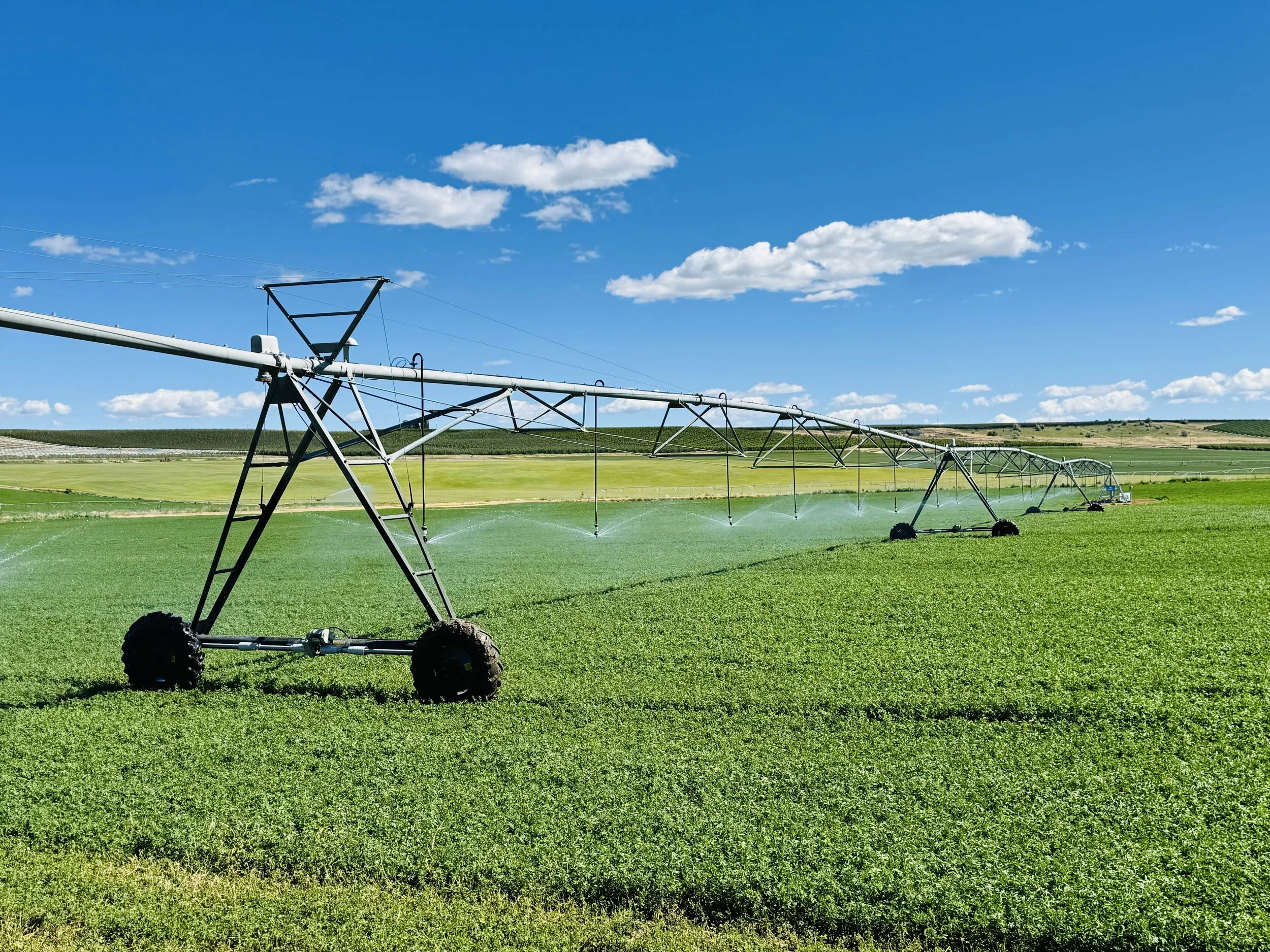
Engine Behind Nutrient Use Efficiency! Water.
Water stress doesn’t just dry the soil, it disrupts the entire nutrient pathway from the moment fertilizer enters the field to the moment nutrients are supposed to become biomass. When moisture declines, the biological, physical, and physiological systems that drive Nutrient Use Efficiency begin to fail in a cascading sequence. The first breakdown happens in the soil. Beneficial microbes slow down, enzyme activity drops, and nutrient mineralization weaken. Even when fertilizer is present, the soil cannot convert it into plant-available forms. The biological engine that powers nutrient cycling simply runs out of water. At the same time, nutrient mobility in the soil collapses. Water films around soil particles break, stopping mass flow and diffusion, the two primary mechanisms that deliver nutrients to roots. Nutrients may be in the soil, but they do not reach the root efficiently.
Inside the plant, drought slows both xylem and phloem transport. Vascular loading weakens, leaving nutrients stranded in older tissues instead of reaching new growth. Leaf temperatures rise, increasing metabolic stress and nutrient demand at the very moment supply is restricted. Foliar feeding, often used to bypass soil limitations, is also compromised. Drought causes stomata to close, cuticles to thicken, and leaf surfaces to become more hydrophobic. Droplets evaporate faster on hot, dry leaves, reducing contact time and penetration. Surface pH shifts alter nutrient solubility and chelate stability. Even when foliar nutrients enter the leaf, their internal mobility is reduced. Drought suppresses the plant’s ability to assimilate nutrients. Photosynthesis declines, production of energy molecules drops, and protein synthesis slows. Nitrogen taken up by the plant cannot be efficiently converted into amino acids or chlorophyll. Phosphorus and potassium cannot be fully integrated into metabolism or osmotic regulation. Nutrients may enter the plant, but they do not translate into biomass or yield. Water stress reduces NUE not because of one failure, but because every link in the nutrient pathway is water-dependent. Soil biology, nutrient mobility, root uptake, internal transport, foliar absorption, and metabolic assimilation all weaken simultaneously. This is why next-generation nutrient technologies must be designed for drought resilience.