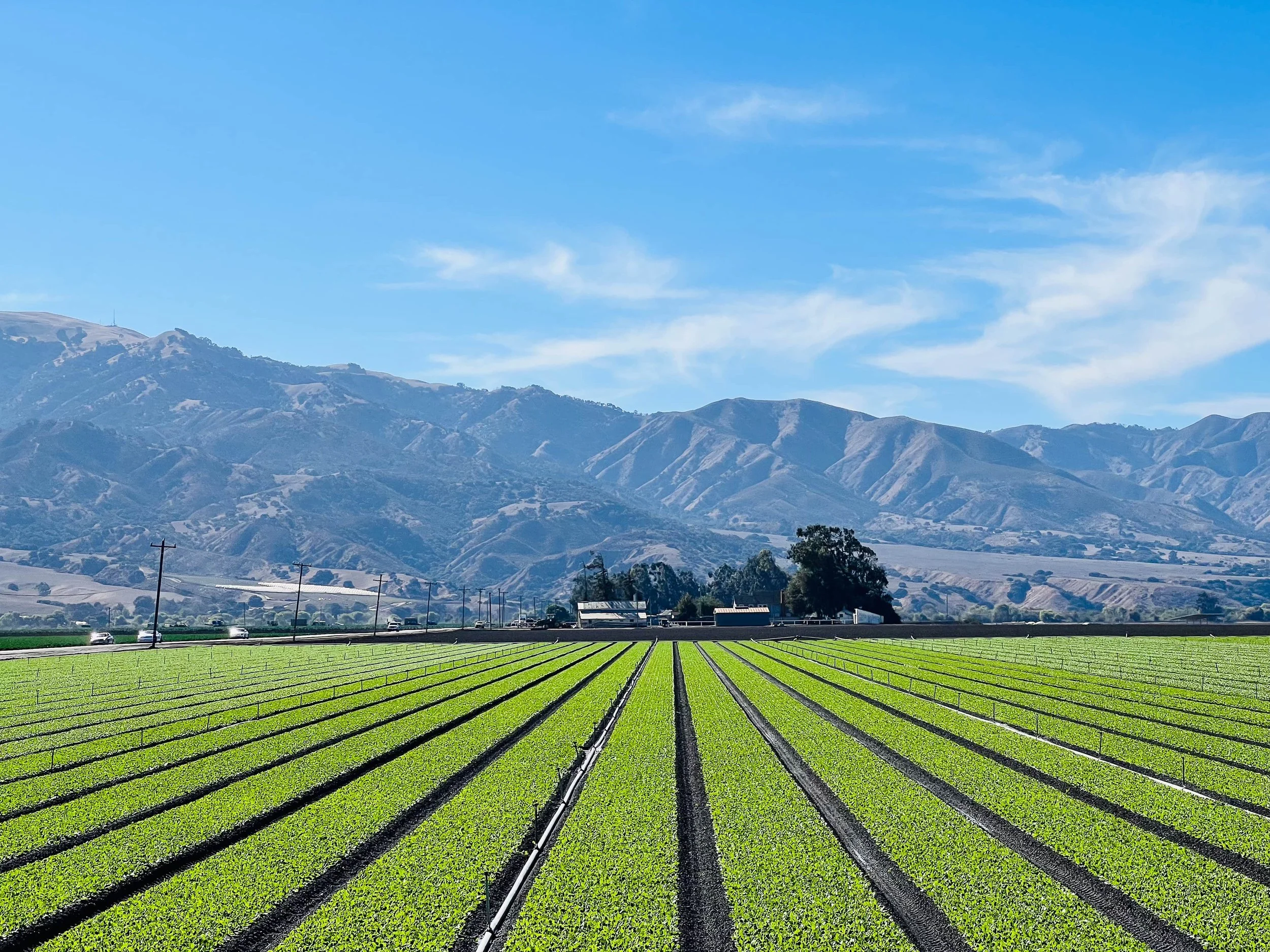
Six pillars currently driving Nutrient Use Efficiency solutions. Why is this still a scientific challenge and Industrial priority!
Across global agriculture, one challenge continues to define productivity, profitability, and sustainability is nutrient use efficiency (NUE). Despite decades of progress, a significant portion of applied nutrients never reach the plant. This gap represents both a scientific challenge and Industrial Priority. Major six pillars driving current NUE solutions -
1. Enhanced-Efficiency Fertilizers (EEFs):
Engineered to synchronize nutrient release with crop demand.
Urease and nitrification inhibitors reduce nitrogen losses.
Slow-release and controlled-release coatings improve nutrient availability over time.
2. Materials Science - Delivery Systems (MSDS):
New materials are redefining how nutrients move through soil and plant tissues.
High-surface-area carriers improve solubility and controlled release.
Molecular-scale delivery systems reduce fixation and enhance mobility and uptake.
3. Microbial & Biological Solutions: Biology remains central to nutrient cycling and plant metabolism.
Nitrogen-fixing bacteria supplement N availability.
Phosphate-solubilizing microbes unlock bound P.
Mycorrhizal fungi expand the effective root zone.
Enzyme-producing microbes release nutrients trapped in organic or mineral complexes.
Biostimulants, including plant derived extracts and animal derived extracts enhance root growth, nutrient uptake pathways, chelation and stress tolerance.
4. Precision Agriculture & Digital Tools:
Data-driven nutrient management is transforming decision-making.
Variable-rate application aligns fertilizer doses with spatial variability.
Remote sensing and optical crop sensors detect nutrient stress early.
Decision support systems integrate weather, soil, and crop models to optimize timing and rates.
5. Agronomic Practices & Soil Health: The foundation of all nutrient efficiency strategies.
4R Nutrient Stewardship (right source, rate, time, place).
Split applications to match crop demand.
Band placement and deep placement to reduce losses.
Foliar feeding, especially when root uptake is limited.
Soil pH correction, organic matter enhancement, and structure improvement to increase nutrient retention and root access.
6. Genetic & Breeding Innovations: Plant traits are increasingly recognized as part of the NUE equation.
Improved root architecture enhances nutrient foraging.
Enhanced transporter proteins increase uptake efficiency.
Stress-tolerant varieties maintain nutrient acquisition under drought, cold, or salinity.
NUE is no longer just a fertilizer challenge, it is a systems engineering challenge across the entire soil–plant–environment continuum.